

01 — Our work
Six domains of excellence.
Academic Excellence defines what should be learned. Process Excellence defines how it is implemented. Behavioural Excellence shapes who learners become. Healthcare Excellence promotes well-being. Knowledge Management preserves what is learned. Global Diplomacy connects it outward.
- Excellence Committees
- Six
- Sub-committees
- Eighteen
- Ambassador programmes
- Six
- Excellence Cell models
- Six
The architecture
Together the six committees form an integrated model. Each domain runs on the same structure, so that a school, a university or a hospital encounters a recognisable shape whichever door it enters through.
01
Domain
A strategic area of national importance.
02
Committee
A chairperson and up to twelve members.
03
Curriculum
Frameworks, materials and assessment.
04
Excellence Cells
A standing capability inside institutions.
05
Ambassadors
A trained volunteer network.
06
Projects
Implementation, measured.
01
Domain
A strategic area of national importance.
02
Committee
A chairperson and up to twelve members.
03
Curriculum
Frameworks, materials and assessment.
04
Excellence Cells
A standing capability inside institutions.
05
Ambassadors
A trained volunteer network.
06
Projects
Implementation, measured.
01
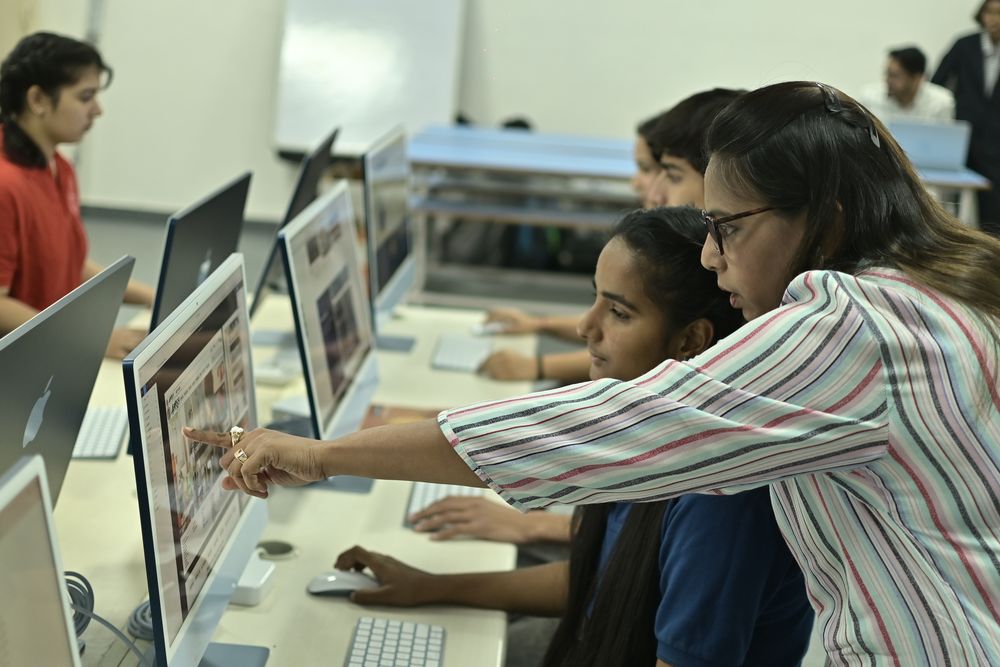
Process Excellence
Institutions rarely fail for want of vision. They struggle because execution is inconsistent.
Process Excellence applies methods proven in manufacturing, healthcare, aviation, banking and public administration to the everyday work of educational institutions — not to add administrative burden, but to remove it.
Who it serves
- School education
- Higher education
- Technical education
- Teacher education
- Research institutions
- Educational administration
Committee chairperson
Dr. Rakesh Dwivedi

02
Behavioural Excellence
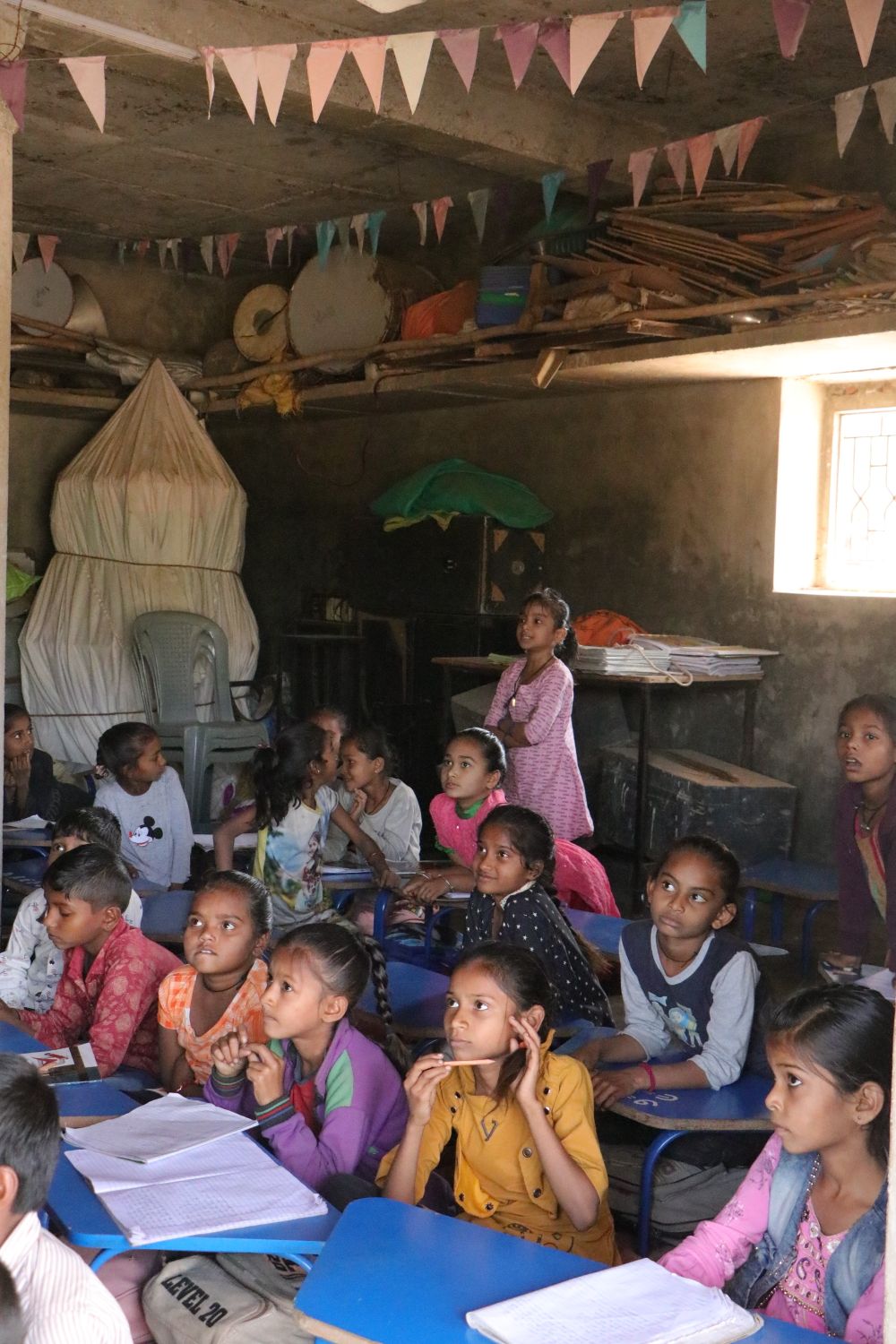
Education prepares students for examinations. Life asks for considerably more.
Most education systems emphasise academic excellence. Few systematically cultivate the character, emotional maturity, ethics and judgement on which academic ability ultimately depends.
Who it serves
- School education
- Higher education
- Teacher education
- Educational leadership
- Parent engagement
- Community participation
Committee chairperson
Dr. Tosendra Dwivedi
03
Academic Excellence
Excellence measured by curiosity, creativity, research capability and judgement — not examination scores alone.
Where Process Excellence concerns how institutions operate, Academic Excellence concerns how students learn, how teachers teach, how curricula evolve and how institutions achieve educational quality.
Who it serves
- School education
- Higher education
- Technical education
- Teacher education
- Research institutions
- Lifelong learning
Committee chairperson
Dr. Sushannt Mysorekar

04
Knowledge Management Excellence
Institutions generate knowledge every day. Almost none of it survives the person who created it.
Of the six domains, Knowledge Management is the one that makes the rest sustainable. Policies, curricula, research and hard-won institutional experience have little long-term value unless they are systematically captured, organised, shared and reused.
Who it serves
- Schools
- Colleges
- Universities
- Research institutions
- Libraries
- Government educational agencies
- Digital learning platforms
Committee chairperson
Dr. V. V. Rao
05
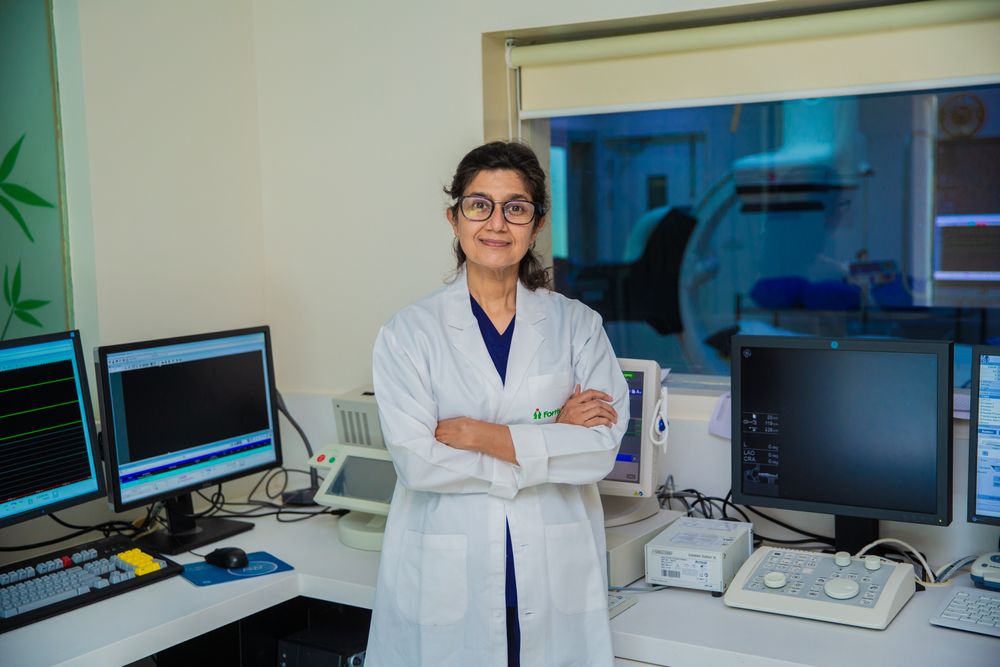
Healthcare Excellence
Healthcare excellence extends beyond treating illness. It is about designing systems that deliver safe, effective and compassionate care consistently.
The Committee does not duplicate the work of medical councils or public health institutions. It concentrates on healthcare excellence through education, quality, patient safety, process excellence, preventive health and systems improvement.
Who it serves
- Medical colleges
- Nursing colleges
- Allied health institutions
- Hospitals
- Primary healthcare centres
- Public health organisations
- Research institutions
Committee chairperson
Dr. Nandan Gijare

06
Global Diplomacy Excellence
Extending the work of the other five domains beyond national boundaries — in both directions.
Indian educational innovation deserves a wider audience, and Indian institutions deserve ready access to international practice. The Committee exists to make both routine rather than exceptional.
Who it serves
- Universities
- Schools
- Research institutions
- Think tanks
- Development agencies
- Foundations
- Global professional associations
Committee chairperson
Dr. M. K. Vajpayee
Across all six
Three structures run through every domain.
-
01
Excellence Cells
A standing institutional unit for quality, innovation, research and continuous improvement — owned by the institution, in every domain.
Read more -
02
Ambassador programmes
Trained volunteer networks of students, educators, professionals and institutional leaders, with defined categories from student to international coordinator.
Read more -
03
Curriculum development
Competency-based, multilingual, age-appropriate curriculum frameworks with teacher materials and assessment instruments.
Read more
Start somewhere