From the Founder Chairman
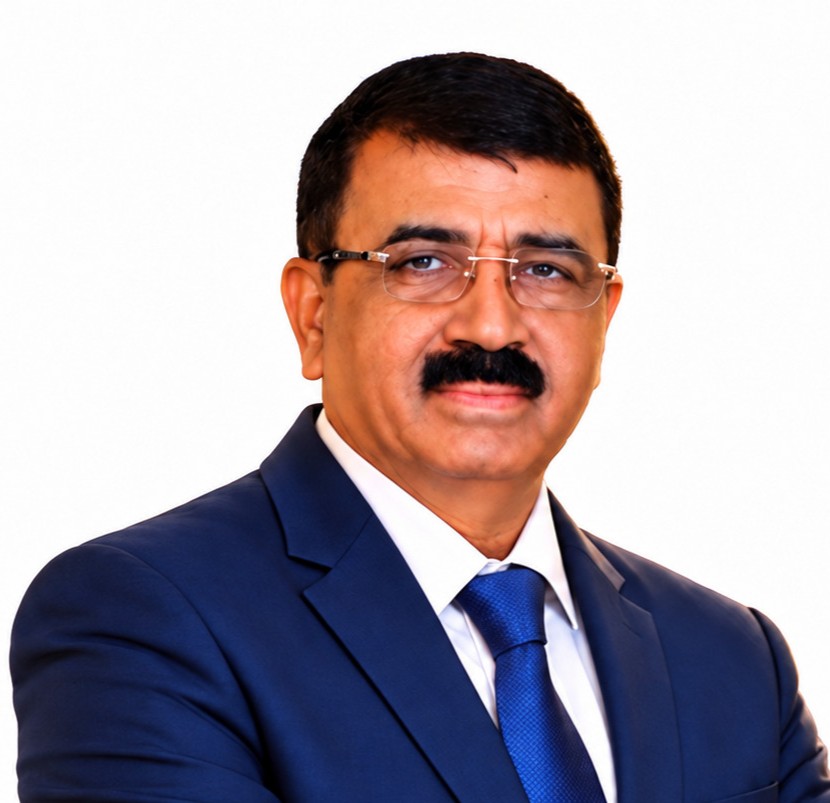
Col. Raj Kalra
Founder Chairman
Reserved for the Council
The Founder Chairman's statement on why the Council exists and what it is building.
A Section 8 not-for-profit company working at the intersection of policy, capability and implementation.
OverviewThe Council
People & Structure
Legal status
Incorporated Test. Registered under Sections 12A and 80G of the Income Tax Act.
Transparency and governanceIPEC's primary flagship programme — a nationwide movement to develop India's teachers, principals and education leaders.
OverviewThe programme
Delivery and evidence
Phase 1
The Delhi pilot is the proof point for a ₹30 Crore national vision aligned to NEP 2030 and Viksit Bharat 2047.
What Phase 1 fundsIPEC's flagship platform for translating education policy into institutional capability, measurement and outcomes.
OverviewThe Forum
Flagship initiative
An independent, collaborative platform complementing the implementation of India's National Education Policy 2020.
Explore the ForumKnowledge grows when it is shared. Innovation flourishes when ideas are tested. Transformation occurs when knowledge is translated into action.
OverviewSustainable institutional transformation can only be achieved through collaboration.
OverviewPublic sector
Industry & society
Start a conversation
For corporates
Corporate → CSR support → IPEC programme → institution → measurement → impact report.
Build a CSR partnershipStay connected

International Process Excellence Council
IPEC works to strengthen institutions, educators, learners, communities and systems through process excellence, knowledge, capability development, evidence-based implementation and continuous improvement.
01
— In their own words
From the Founder Chairman
Founder Chairman
Reserved for the Council
The Founder Chairman's statement on why the Council exists and what it is building.
From the Co-Founder
Co-Founder and Director
Reserved for the Council
The Co-Founder's statement on the Council's approach to institutional transformation.

02 — Primary flagship programme
A nationwide movement to develop India's teachers, principals and education leaders — through scholarships, educational leadership and capability building at nationally recognised institutions.
Emperor's Vision. Teacher's Legacy. Nation's Future.
Phase 1 — the Delhi pilot
The model in one line
Your support becomes capability. Capability becomes outcomes.
Funding → 208 educator-leaders and fellows developed → school improvement projects → better teaching, learning and governance → better student outcomes.
What a contribution buys — every tier attached to something a teacher or a student actually receives
03
— Why IPEC exists
Good policies do not, on their own, create transformation. Between a policy and its result lies everything that determines whether it works — capability, implementation, leadership, measurement, knowledge and collaboration.
IPEC was established to work on that space. Many institutions focus on developing policies; comparatively fewer work on practical implementation frameworks, measurable outcomes, institutional capability and continuous improvement systems.
04
— The implementation gap
01
Policy is written with care and ambition. What follows is uneven, because implementation is treated as an administrative afterthought rather than a discipline in its own right.
02
Institutions solve the same problem repeatedly. What one school, college or department learns rarely reaches the next, and leaves entirely when an individual does.
03
Activity is counted; outcomes are assumed. Without measurement, improvement cannot be distinguished from motion.
04
Educators and administrators are asked to deliver transformation without the frameworks, tools or time that transformation requires.
05
Improvement arrives as a project with an end date rather than as a permanent institutional habit.
06
Government, academia, industry and civil society work on the same problems in parallel, and rarely in concert.
Transforming ideas, policies and aspirations into measurable institutional capability and sustainable outcomes.
The pathway
05
— The IPEC approach
01
Establish what is actually happening inside institutions, using evidence rather than assumption.
02
Equip educators, administrators and learners with methods they can apply the same week they learn them.
03
Work inside real institutions on real processes, not in workshop conditions.
04
Define what improvement would look like before the work begins, then measure against it.
05
Document what worked, what did not, and under what conditions — so the learning survives the project.
06
Leave behind a standing capability rather than a completed intervention.
07
Extend proven frameworks to further institutions, districts, states and countries.
01
Establish what is actually happening inside institutions, using evidence rather than assumption.
02
Equip educators, administrators and learners with methods they can apply the same week they learn them.
03
Work inside real institutions on real processes, not in workshop conditions.
04
Define what improvement would look like before the work begins, then measure against it.
05
Document what worked, what did not, and under what conditions — so the learning survives the project.
06
Leave behind a standing capability rather than a completed intervention.
07
Extend proven frameworks to further institutions, districts, states and countries.
06
— Six domains of excellence
Institutions rarely fail for want of vision. They struggle because execution is inconsistent.
Who it serves
Education prepares students for examinations. Life asks for considerably more.
Who it serves
Excellence measured by curiosity, creativity, research capability and judgement — not examination scores alone.
Who it serves
Institutions generate knowledge every day. Almost none of it survives the person who created it.
Who it serves
Healthcare excellence extends beyond treating illness. It is about designing systems that deliver safe, effective and compassionate care consistently.
Who it serves
Extending the work of the other five domains beyond national boundaries — in both directions.
Who it serves

07 — Flagship initiative
An independent collaborative platform that seeks to complement the implementation of India’s National Education Policy 2020 through practical governance models, institutional capability development, process excellence methodologies and outcome measurement frameworks.
The Forum brings together educators, researchers, industry professionals, administrators and policy practitioners to co-create implementation frameworks aligned with the vision of Viksit Bharat @2047.
08
— Flagship initiatives
01
02
03
04
05
06
07
08
01
02
03
04
05
06
07
08
09
— Evidence of work completed
01 — 2025
A Process Excellence programme designed specifically for higher education faculty working in quantum technology and quantum computing.
02 — December 2025
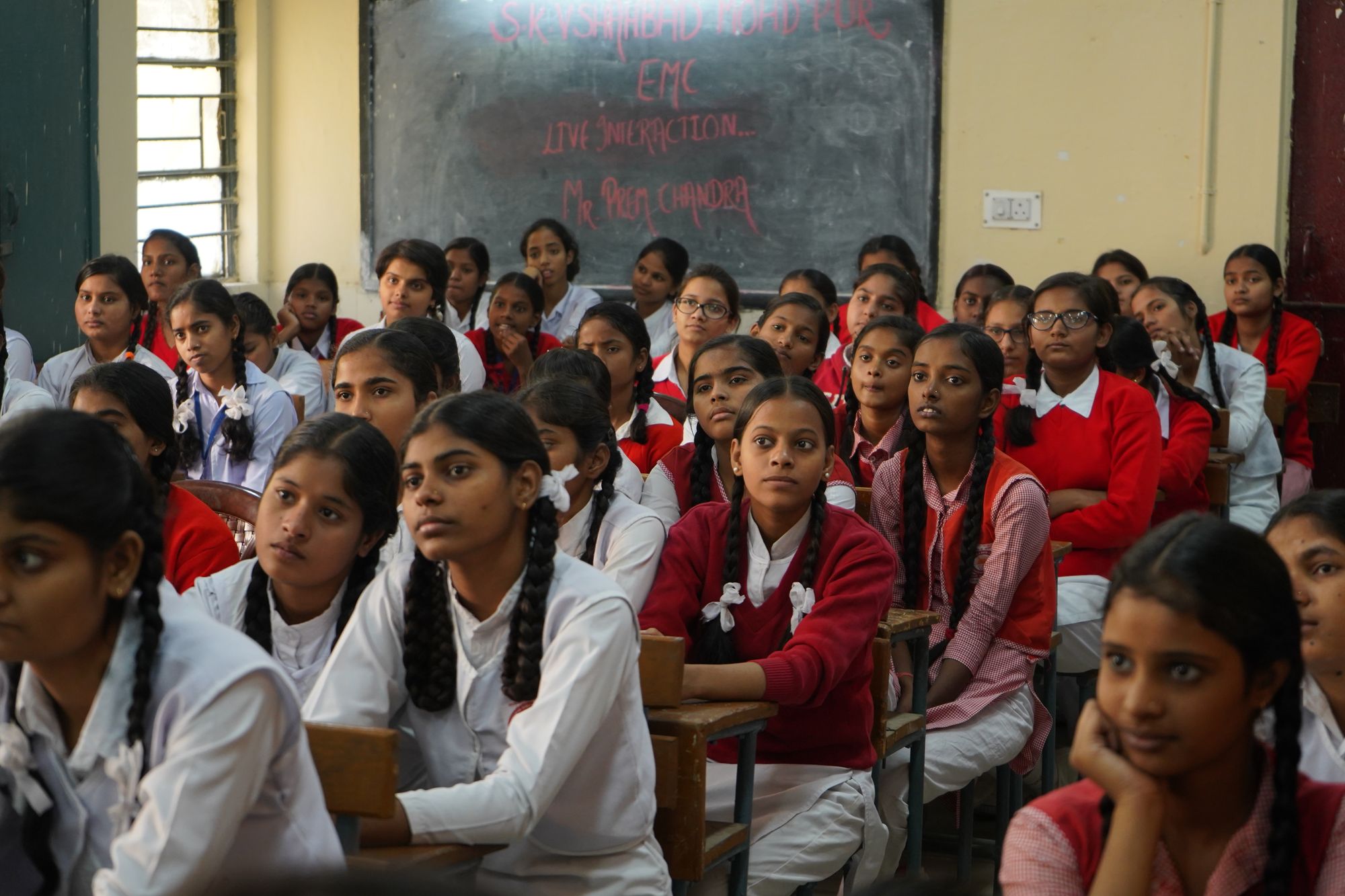
IPEC's first school-level Process Excellence programme, introducing Lean Six Sigma concepts to students, teachers and school leadership.
03 — February 2026
Building on the Agra experience, the programme focused on integrating Lean principles with both classroom practice and institutional governance.
04 — April 2026
The third institutional deployment extended IPEC's Process Excellence initiative to another educational institution in Uttar Pradesh.
10 — Excellence Cells
An Excellence Cell is a standing institutional unit — not a committee that meets when there is a problem, but a permanent internal capability for quality, innovation, research, problem solving, capability development and knowledge sharing.
Institution → Cell → People → Projects → Measurement → Improvement

Chinsurah, West Bengal · Unsplash
A faculty coordinator, a student team and a portfolio of small improvement projects drawn from the school's own operations — attendance, remediation, laboratory use, timetabling, assessment turnaround.
A cross-departmental cell working on teaching quality, student support, examination processes, placement readiness and accreditation preparation.
A cell operating at both academic and administrative levels, connecting quality assurance, faculty development, research management and institutional governance.
A cell focused on research process, collaboration, knowledge capture, reproducibility and the translation of research into practice.
A cell working on patient safety, clinical and administrative process, quality improvement projects and continuous professional learning.
A cell responsible for knowledge audits, institutional repositories, communities of practice and long-term digital stewardship.
11 — Ambassador network
The long-term vision is a community of one million ambassadors per country: students, teachers, researchers, school leaders, professionals and volunteers who contribute to curriculum development, translation, research, outreach and institutional transformation.
01
02
03
04
05
06
01
02
03
04
05
06
12
— Impact and evidence
Reach
Students reached
Teachers and faculty trained
Institutions supported
Programmes conducted
Geography
Districts covered
States engaged
Countries represented
Capability
Excellence Cells established
Ambassadors active
Improvement projects completed
Knowledge
Research produced
Frameworks and toolkits published
Case studies documented
Outcomes
Measured institutional improvements
Stakeholder satisfaction
Partnerships formed
Awaiting publication
13
— Stories from the field
14 — Knowledge Hub
Knowledge grows when it is shared. Innovation flourishes when ideas are tested. Transformation occurs when knowledge is translated into action.
Committee deliverables in preparation
15
— News and insights
Process Excellence · February 2026
IPEC News · December 2025
IPEC News · 2025
IPEC News · July 2025
16
— Partnerships

01
For central and state governments, ministries, departments, district administrations and public institutions.
Discuss a Government Programme
02
Turn CSR intent into measurable institutional impact — with reporting your board can defend.
Build a CSR Partnership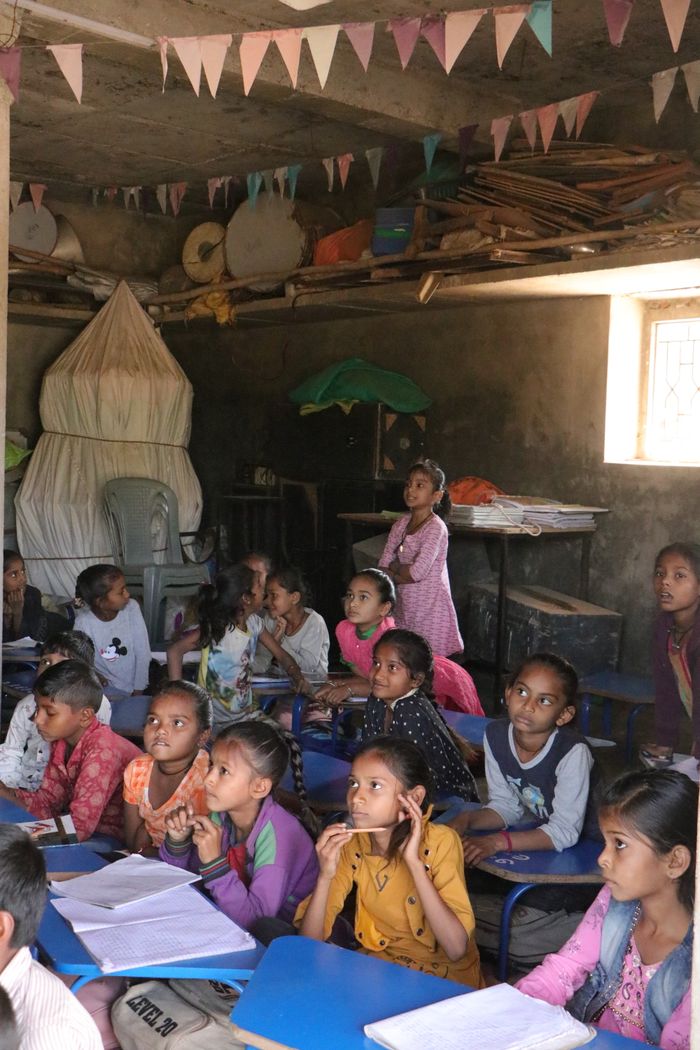
03
For government schools, affordable private schools, private schools, international schools and school groups.
Start an Excellence Journey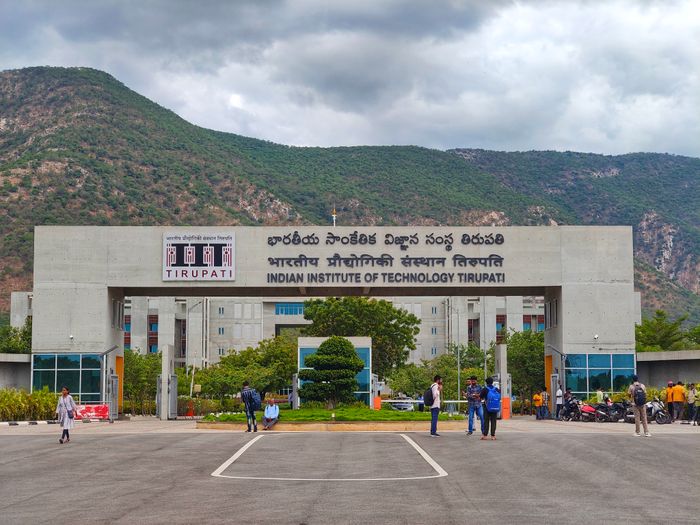
04
For universities, colleges, technical institutions, research institutions and teacher education institutions.
Explore Institutional Collaboration
05
For organisations already working in education and community development who need frameworks, curriculum and measurement rather than another delivery partner.
Collaborate with IPEC
06
IPEC welcomes international collaboration across geographies — in research, curriculum, faculty development, student programmes and knowledge exchange.
Explore Global Collaboration17 — Corporate and CSR
Most CSR spending on education buys inputs. Inputs are easy to procure, easy to photograph, and easy to fund for years without knowing whether anything improved.
The pathway
01
Your CSR intent and reporting obligation.
02
Funding a defined programme.
03
Frameworks, training, Excellence Cells.
04
Schools, colleges, communities.
05
Against a baseline set beforehand.
06
Outcomes, not activity counts.
01
Your CSR intent and reporting obligation.
02
Funding a defined programme.
03
Frameworks, training, Excellence Cells.
04
Schools, colleges, communities.
05
Against a baseline set beforehand.
06
Outcomes, not activity counts.

18 — Government
For central and state governments, ministries, departments, district administrations and public institutions: capacity building, institutional excellence, measurement frameworks, curriculum development and Excellence Cells designed for scale from the outset.
Discuss a government programme
19 — International
IPEC welcomes international collaboration across geographies — joint research, curriculum development, faculty development, student programmes and knowledge exchange. The Council is an Indian Section 8 company and claims no operational presence abroad.
Explore global collaboration20 — Newsletter
Occasional updates on the Council’s research, programmes, publications and events. Choose the areas you want to hear about.
Thank you — you are subscribed. Every bulletin includes an unsubscribe link.
21 — Contribute to the mission
Your contribution enables institutions and learners to build a culture of continuous improvement — the kind that continues after the funded work ends.